People / Miguel Pinto
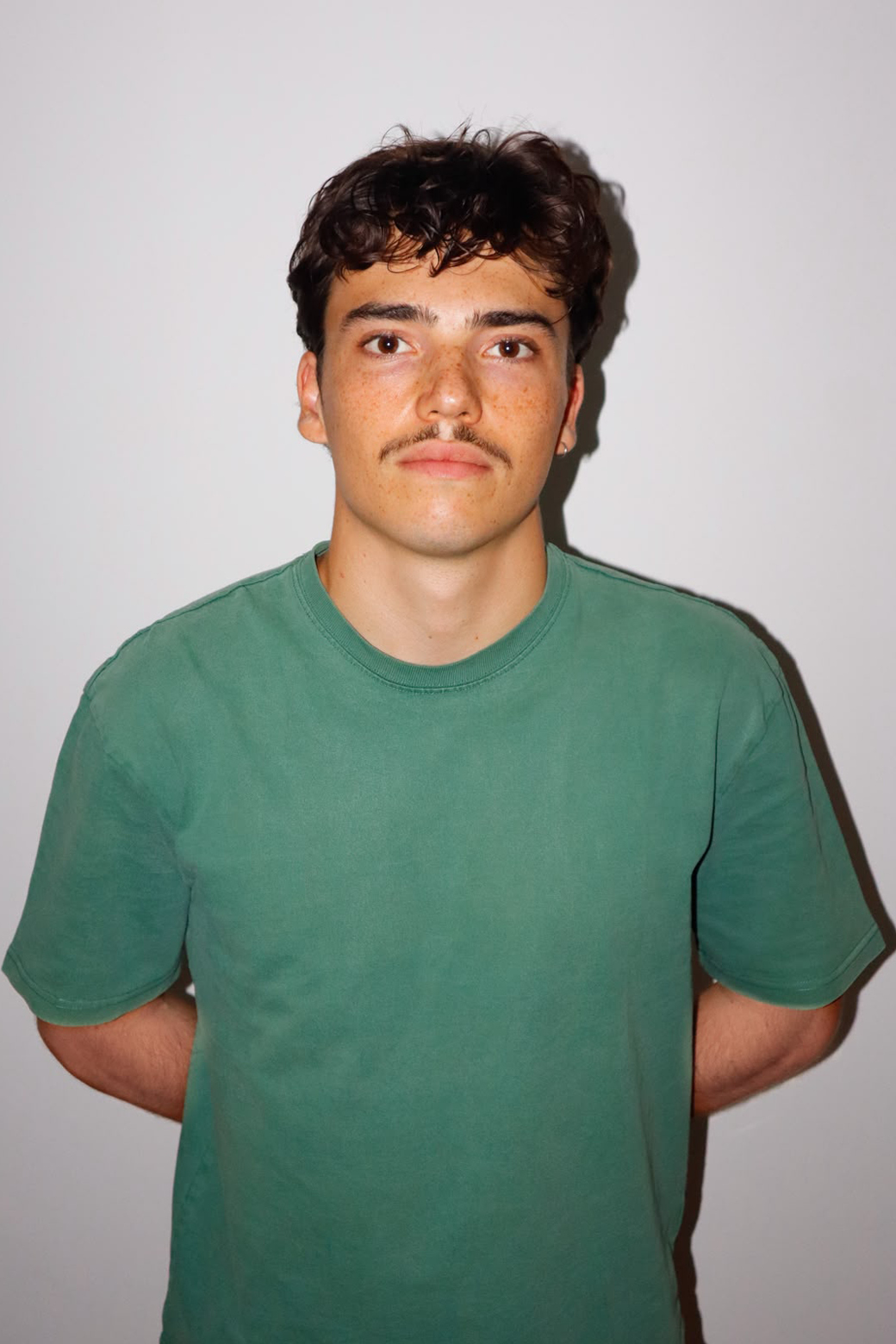
SUPER-PINTAS is the studio, Miguel Pinto the mind behind it. I don't have a design philosophy, manifesto, or my ten design principals for good design. I just design things that I need or want to use in my own life, some people might use it too. Missing a stool in my studio? I design a stool. Need a coat hanger? I design one. Some of these pieces eventually become products that I release in small batches, while others remain strictly personal, one-off creations. There is no specific rule or unique approach. I just try to explore new methods and, most importantly, have fun while doing it, I'm still learning...
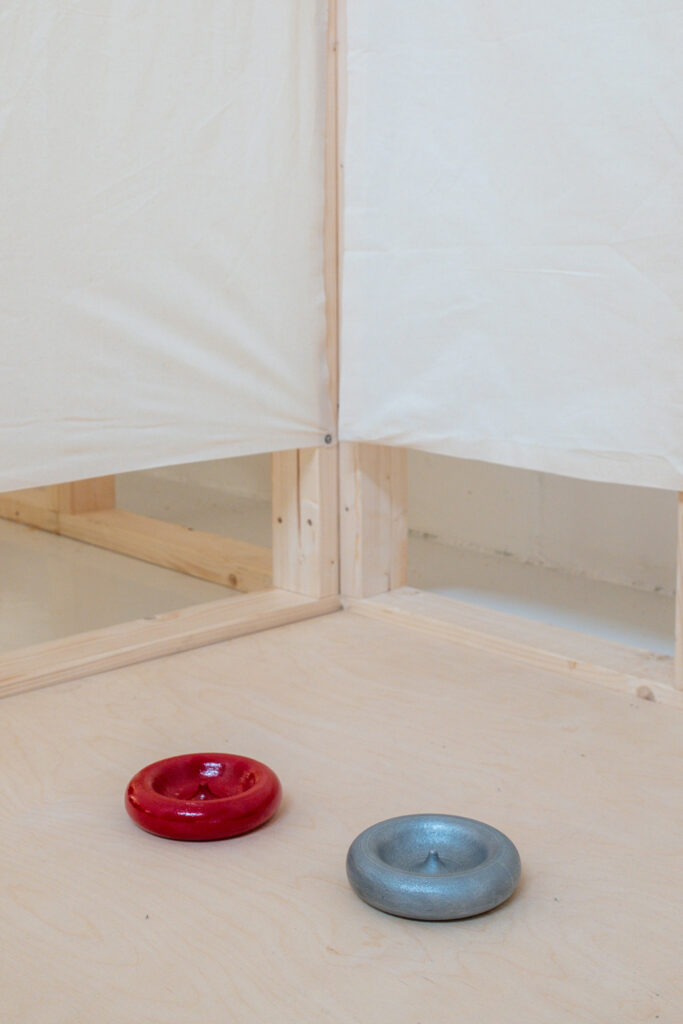
PINGO
Restricted at first by tight financial limits and available materials, I was unable to invest in big furniture pieces with high minimum quantities.
I shifted to smaller items I could prototype myself, looking through old drawings to find an ashtray I designed in 2022. I 3D-printed a mould and cast it in cement; it looked good, but felt like a temporary DIY project.
The challenge was turning it into a real product. After testing, I landed on sandcast aluminium, a material that unlocked far more possibilities, allowing PINGO to function as both a bowl and an ashtray. The limitations that in the beginning felt like big restrictions ultimately gave shape to PINGO’s design. The finished piece captures the entire journey: the texture visible on PINGO’s surface comes from the original 3D-printed prototype and the casting process that always leaves traces on the surface, making the product rough yet honest.
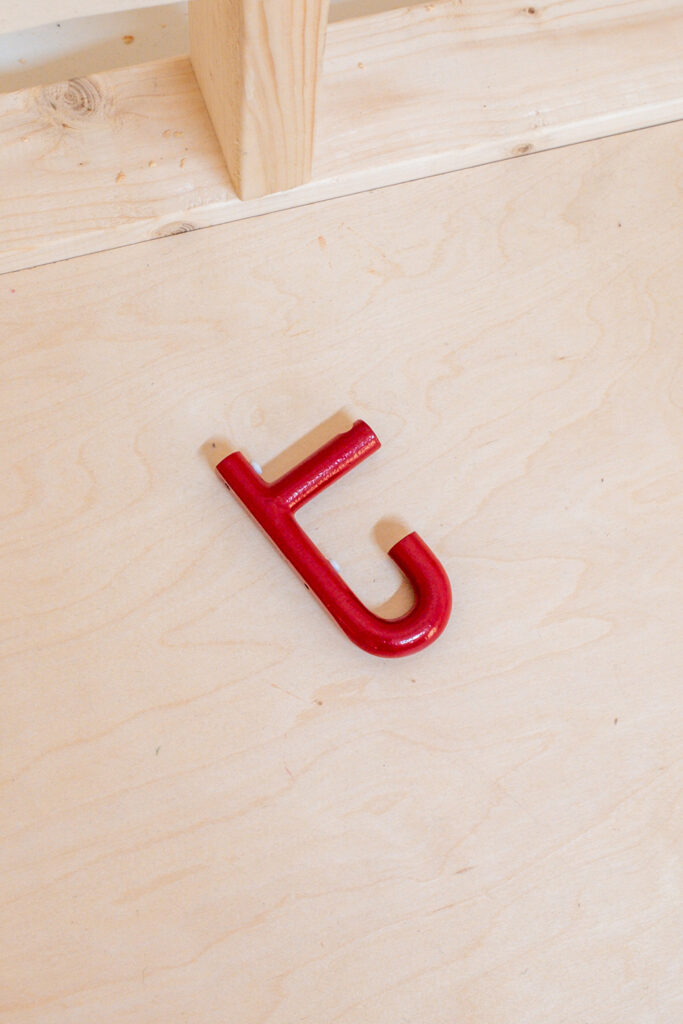
J-HOOK
Unable to invest time and money into large pieces like tables and chairs, I shifted to smaller, cheaper items I could prototype myself. I needed a coat hanger for my bedroom, so I used this as an opportunity to explore a new product.
I quickly 3D-printed a prototype, and the next challenge was turning it into a real product; not having access to machinery, I started looking for help. That is when I found Sr. Manuel, a grandfatherly figure who knows everything about aluminium sandcasting. The material choice was driven by the fact that he was able to produce small quantities; since his foundry was only a 30-minute drive away, I looked no further. These limitations not only shaped the coat hanger’s design, but also introduced me to sandcasting and an amazing relationship with Sr. Manuel.