People / Hao Chen
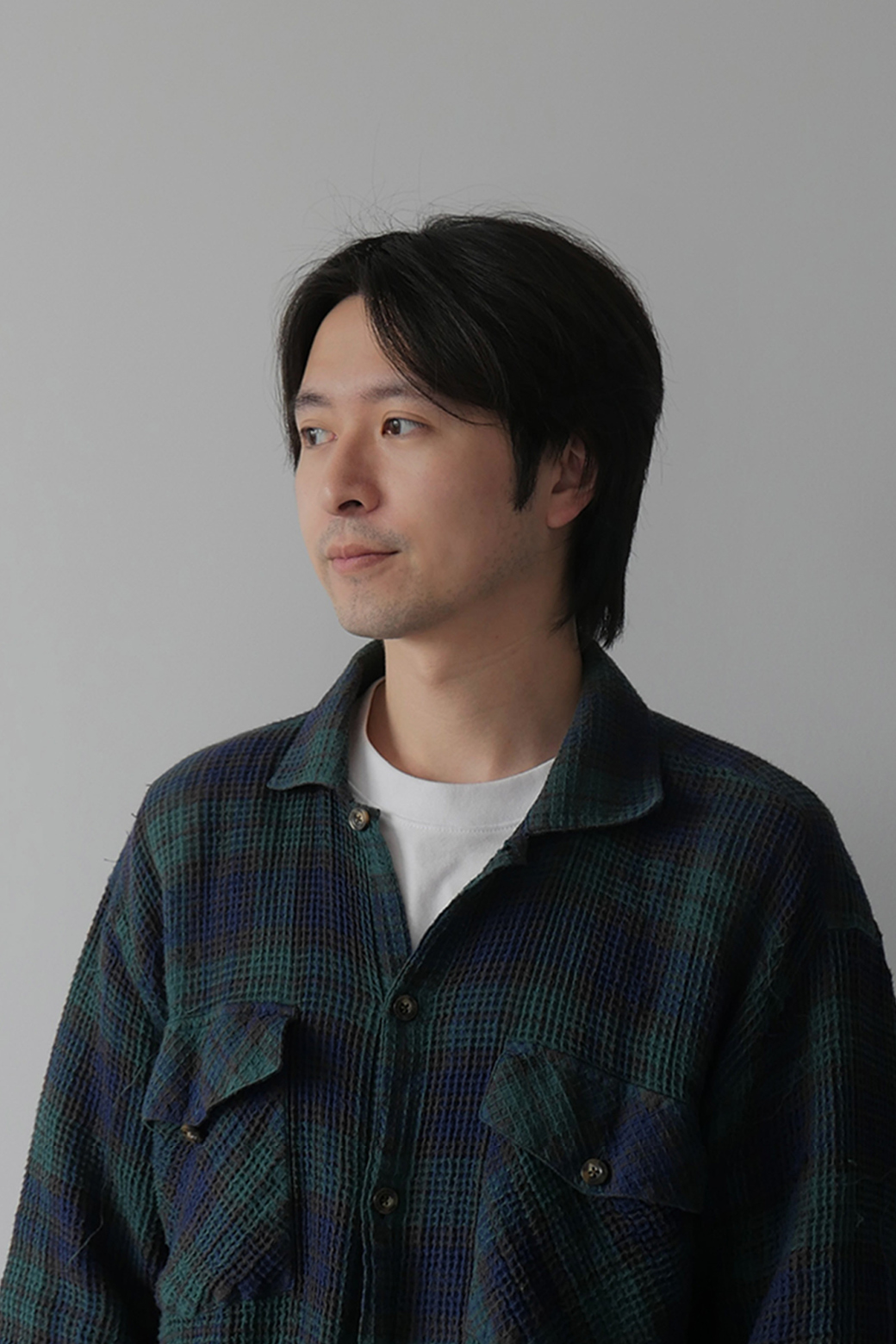
Based in London, Hao Chen is a designer working across object and spatial design. His practice explores how existing tools, industrial components and systems can be reinterpreted into home objects, revealing new relationships between making, structure and daily life.
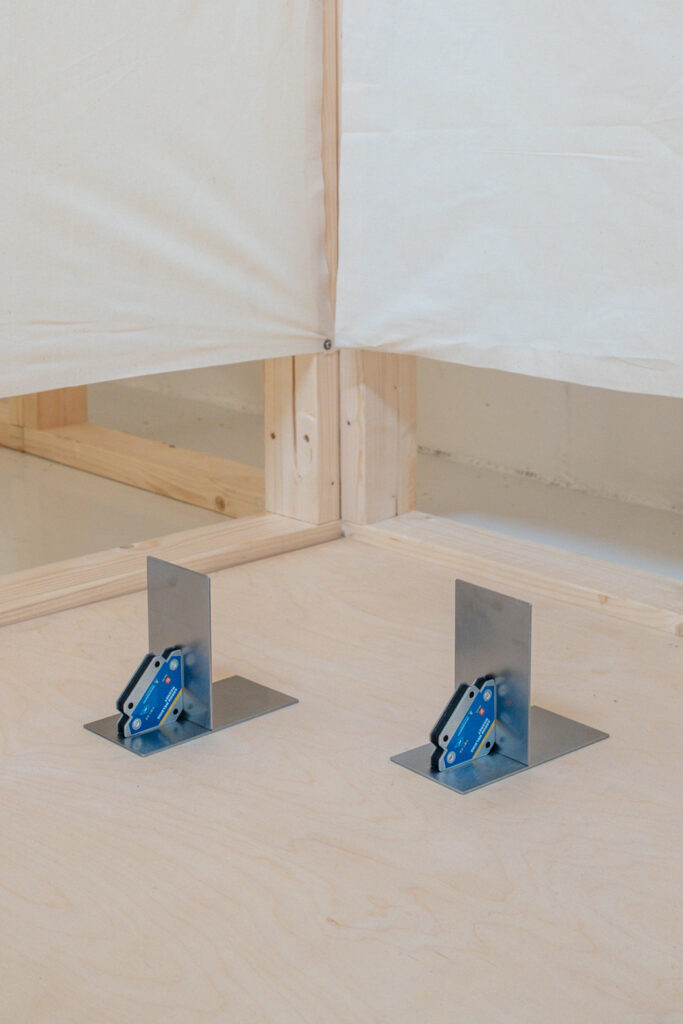
‘No Weld’ Bookend
I develop my personal projects at home while working full-time in London, and I don’t have access to welding equipment or the skills to weld. Rather than treating this as something to overcome, I chose to work entirely without welding. I used magnetic welding holders, which are normally temporary workshop tools used to position steel before welding, as the only method of joining the steel components. Instead of disappearing once fabrication is complete, they become permanent structural elements, leaving the bookend in a permanent pre-welding state. This limitation directly shaped its form, construction and function. Without these constraints, I would simply have welded the steel together, and the welding holders would have remained temporary workshop tools instead of becoming part of the finished object.
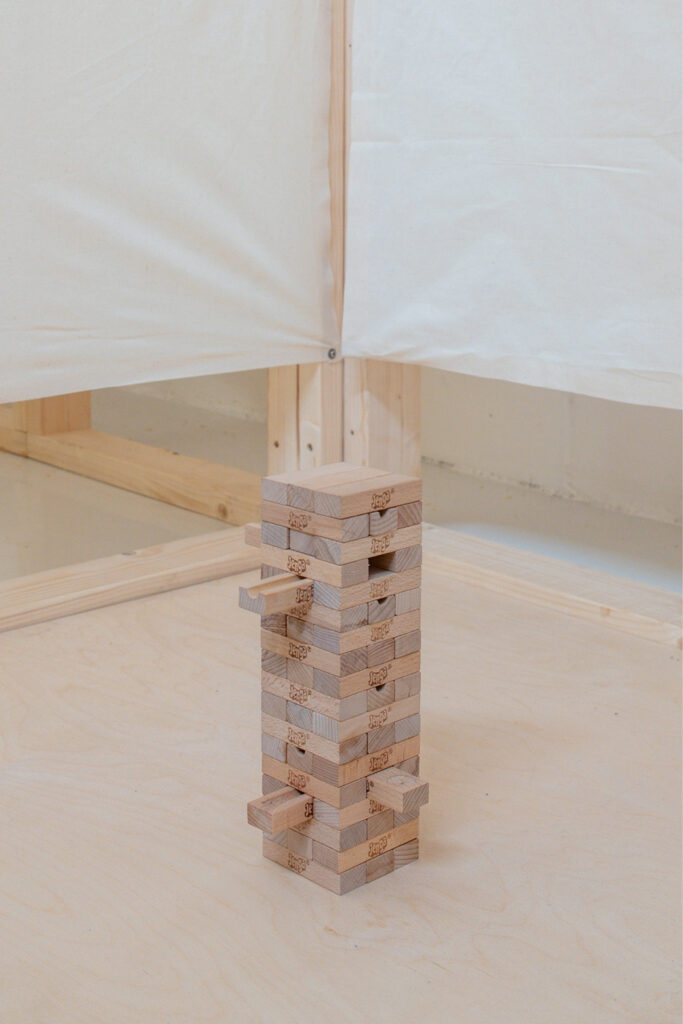
Jenga Drawer
Jenga Drawer began with a Jenga set that had been sitting in my flat, where I also develop my personal work. With limited space and budget, I chose to work with what I already had in my room instead of buying new timber and making a drawer from scratch. Rather than changing the material to suit my design, I accepted the fixed dimensions, proportions and stacking logic of the Jenga blocks as the starting point. The drawer’s movement also came directly from the push-and-pull interaction of the game itself. The piece was made using only simple processes such as drilling and gluing, which suited the equipment available in open-access workshops. Every limitation became part of the design, resulting in a storage object that could only exist by working within the rules of an existing game.